


Why Proactive Planning Matters
When most people think about wildfires, they picture firefighters on the front lines, evacuation orders, and urgent efforts to protect lives and property. Yet the most effective wildfire resilience efforts begin long before smoke appears on the horizon.
Today, wildfire resilience begins months, and often years, before fire season. It starts with proactive planning, technical analysis, and collaboration across the agencies and organizations responsible for protecting communities and natural resources. Together, they assess wildfire risk, prioritize mitigation projects, and develop long-term strategies that strengthen forests, watersheds, infrastructure, and communities before a wildfire occurs.
For decades, wildfire efforts focused largely on responding to fires and recovering after the smoke cleared. Today, communities are increasingly recognizing the importance of acting long before the first spark. By shifting from a reactive to a proactive approach, they can identify risks earlier, invest where they’ll have the greatest impact, and build resilience before disaster strikes.
Planning Beyond the Fire
If communities know wildfire is a growing risk, where do they begin?
“Every landscape is different. A mountain watershed, a rural transportation corridor, and a growing suburban community each face unique vulnerabilities,” said Pranay Sanadhya, PE, Project Manager, Water Resources, Matrix Design Group. “That’s why effective wildfire resilience planning doesn’t start with a checklist. It starts with understanding the landscape, the interconnected systems it supports, and the risks that matter most locally.”
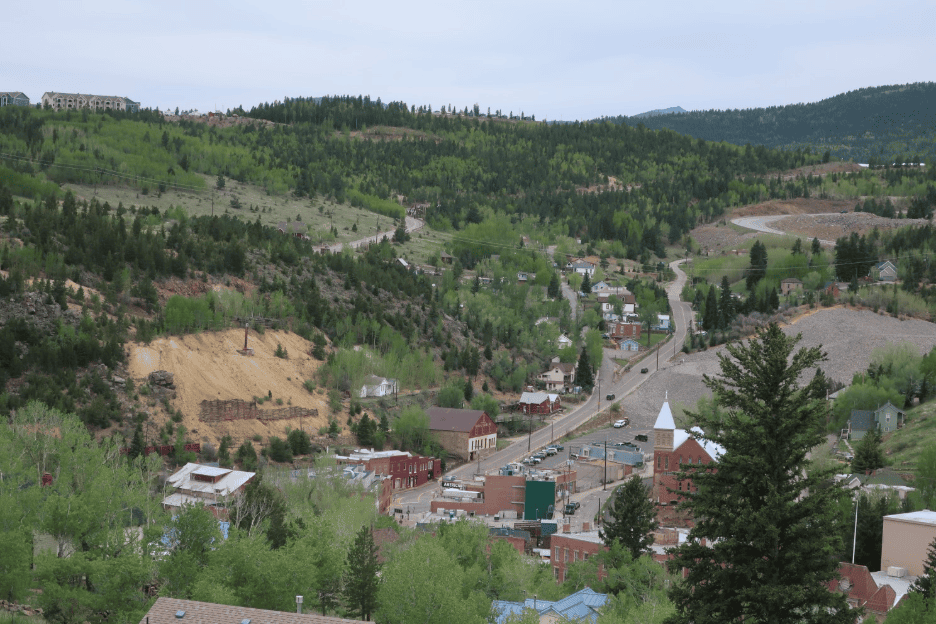
Every community faces unique wildfire risks shaped by its landscape, infrastructure, natural resources, and surrounding environment. Effective resilience planning begins with understanding those local conditions.
With those risks identified, communities can begin making informed decisions. They assess where wildfire could have the greatest impact, evaluate the resilience of critical infrastructure and natural resources, and identify opportunities to reduce risk through land management, watershed protection, infrastructure improvements, and other mitigation strategies. The resulting assessments provide the technical foundation for long-term resilience planning and state and federal funding opportunities.
Rather than applying a one-size-fits-all approach, these findings help communities develop strategies that reflect unique challenges and opportunities for each landscape.
But if communities increasingly understand what needs to be done, why do so many resilience efforts face obstacles before implementation?
Beyond the Science
Developing a technically sound plan is only the beginning. Turning strategy into action requires communities to coordinate across multiple agencies and jurisdictions, secure funding, and build support for projects that may take years to implement.
“Wildfire resilience isn’t just an engineering challenge. It’s also a community challenge,” said Drew Beck, P.E. CFM, PMP, Executive Director, Water & Environmental Division. “Practices like prescribed burns, forest thinning, and wetland and river restoration are backed by science, but successful implementation depends on public understanding and support.”
“Building that support isn’t always easy,” adds Beck. “It takes open communication, stakeholder collaboration, and a willingness to address competing priorities before projects move forward.” While every project is different, long-term resilience depends on more than sound technical planning; it requires sustained collaboration and a shared commitment to reducing risk before disaster strikes.
From Planning to Resilience
As wildfire risks continue to evolve, communities need more than individual mitigation projects; they need long-term strategies that strengthen landscapes and infrastructure, while protecting the people who depend on them. By bringing together expertise in water resources, environmental services, planning, engineering, and stakeholder engagement, Matrix Design Group helps clients move from identifying risk to implementing resilient solutions that strengthen watersheds and communities.
Proactive planning is only the first step. In Part Two of this series, we’ll explore how resilience strategies become real-world projects through design, engineering, and construction.
#WildfireResilence #CommunityResilience #WildfireMitigation #WaterResources #ResiliencePlanning